
Bloating After Every Meal? It Might Not Be the Food


If you feel bloated after almost everything you eat, it’s easy to assume the food is the problem.
So you start removing things.
Dairy first. Then gluten. Maybe sugar. Eventually you’re left with a very short list of “safe” foods… and somehow, you’re still bloated.
At that point, it’s worth asking a different question.
What if it’s not the food?
Why Bloating Happens So Quickly After Eating
Bloating immediately after a meal is rarely about what you just ate in that moment.
Digestion doesn’t work that fast. What you’re often feeling is a response from a system that was already under strain before the meal started. The food simply reveals it.
From a Western perspective, common contributors include things like slowed motility, gas production in the small intestine (as seen in SIBO), enzyme insufficiency, or heightened sensitivity in the gut.
From a Chinese medicine perspective, we’re looking at patterns like weak digestion, stagnation, or what’s often described as dampness — where the body isn’t transforming and moving food efficiently. Different language. Same observation. The system isn’t processing well.

Why Eliminating Foods Doesn’t Always Fix It
Food sensitivities are real, but they’re often overblamed.
If your digestion is functioning well, your body should be able to handle a wide range of foods without immediate bloating. When people react to everything — even “clean” or healthy foods — it’s usually not because everything is inflammatory. It’s because digestion itself is compromised.
You can remove more and more foods, but if the system doesn’t improve, the reaction simply transfers to whatever is left. This is why restrictive diets tend to plateau. They reduce symptoms temporarily, but they don’t restore function.
The Role of Motility (The Piece Most People Miss)
One of the most overlooked causes of bloating is movement. Food and gas need to move through the digestive tract at a steady pace. When that slows down, pressure builds. This is especially relevant in conditions like SIBO, where bacteria ferment food too early in the digestive process, creating gas in the small intestine — a place where gas isn’t meant to accumulate.
But even without a formal diagnosis, slowed motility alone can create that same “I look pregnant after I eat” feeling.
And this is not something you fix by avoiding broccoli.
The Nervous System Connection
Digestion requires a certain state. When the body is in a constant low-level stress response, digestion is not prioritized. Blood flow shifts, enzyme production decreases, and motility slows.
You can eat the “perfect” meal, but if your nervous system is not in a receptive state, digestion will still feel off.
This is why some people feel more bloated during stressful periods, even when their diet hasn’t changed.
The Physical State of the Abdomen
There is also a structural component that often gets ignored. In many patients who experience chronic bloating, the abdomen itself is tight, restricted, or holding tension.
This affects:
Circulation to the digestive organs
Movement of the intestines
The body’s ability to process and move gas
This is not something you fix with supplements alone.
Where Acupuncture, Herbs, and Chi Nei Tsang Come In
This is where treatment shifts from managing symptoms to changing function. Acupuncture helps regulate the nervous system and supports the communication between the brain and the gut. When that improves, digestion often becomes more efficient.
Chinese herbal medicine is used to strengthen digestion, reduce stagnation, and support the body’s ability to process food without creating excess gas or dampness.
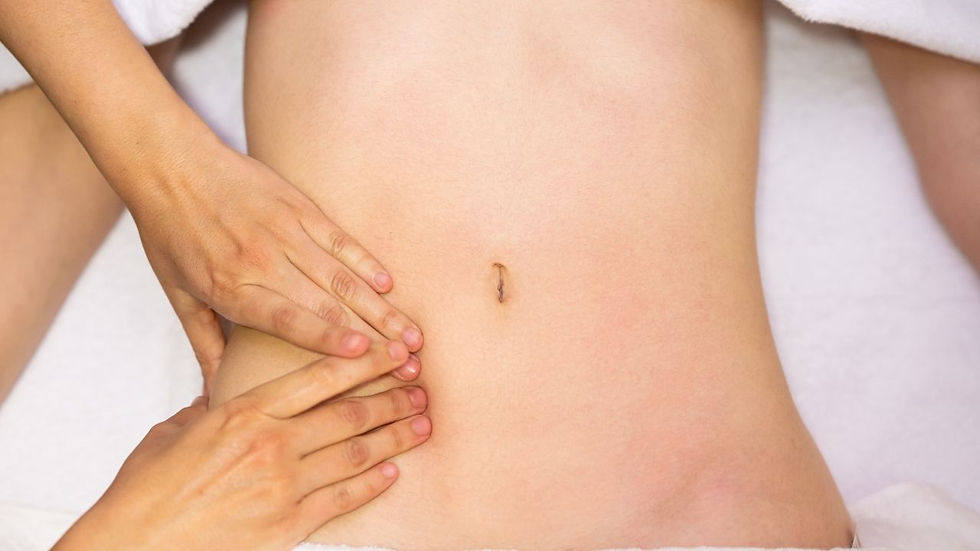
And Chi Nei Tsang addresses the physical layer — working directly with the abdomen to release tension, improve circulation, and support movement in the digestive organs.
When all three are working together, the system starts to behave differently. Not just less bloating — better digestion overall.
The Bigger Picture
If you’re bloated after every meal, your body is giving you consistent feedback. It’s not that everything you eat is wrong. It’s that your system is struggling to process what you’re giving it.
Once you shift the focus from “what should I remove?” to “how is my body functioning?”, the path forward becomes much clearer.
Next Steps
If you’re constantly bloated after eating, the goal isn’t to keep removing foods — it’s to understand why your body is reacting in the first place.
F
or some people, starting with a simple reset can help reduce bloating and support digestion right away. You can begin with my Free Beat the Bloat Guide or the 3-Day Gut Reset to give your system a more structured starting point.
If you’re ready to go deeper, you can book a Discovery Call or schedule a session with me to look at your digestion more thoroughly and create a plan that fits your body.
And if you’re dealing with ongoing bloating, SIBO, or digestive issues that haven’t fully resolved, the Buddha Belly Program is designed to support long-term gut healing and regulation.
📍 Bloating & Digestive Support in San Diego
If you’re experiencing bloating after meals, digestive discomfort, or suspected SIBO, I offer an integrative approach that looks beyond food alone.
Treatments may include acupuncture, Chinese herbal medicine, and Chi Nei Tsang to support digestion, reduce bloating, and improve gut function.
Serving Hillcrest, North Park, Mission Valley, University Heights, Downtown San Diego, and surrounding areas.
Learn more or book here:www.jazhandsmassageandacu.com
❓ FAQ
Why do I feel bloated after every meal?
Bloating after every meal is often related to how your digestive system is functioning rather than the specific food itself. Common causes include slowed motility, gas production, and impaired digestion.
Is bloating after eating a sign of SIBO?
It can be. SIBO is one possible cause of bloating, especially if it happens consistently after meals. However, other factors like digestion, stress, and motility also play a role.
Why do I get bloated even when I eat healthy foods?
If digestion is compromised, even healthy foods can cause symptoms. This usually reflects a functional issue rather than a problem with the food itself.
Can acupuncture help with bloating?
Yes. Acupuncture can support digestion by regulating the nervous system and improving gut function, which may reduce bloating over time.
How does Chi Nei Tsang help bloating?
Chi Nei Tsang works directly with the abdomen to release tension, improve circulation, and support movement in the digestive organs, which can reduce bloating.
Should I keep eliminating foods if I feel bloated?
Not indefinitely. While short-term elimination can help identify triggers, long-term improvement usually requires addressing how the digestive system is functioning.

Comments